Mindless Pandemic Eating

At this time of crisis do you find yourself mindlessly eating too much and unhealthy foods out of boredom, anxiety, uncertainty, overwhelm, habit, or just being around food all day? Have you desperately attempted to force yourself to avoid eating only to binge later? What is the solution? Not willpower. Willpower is a muscle that tires more and more, all day long, and poops out on your when you need it the most. Familiar?

The antidote to mindless eating is mindful eating. Why? Because it short circuits the mindlessness and brings your habitual eating habits into conscious awareness. And it has other benefits too, such as reducing overall stress.

Sounds good, but how does one mindfully eat?

I have studied mindfulness for many years and have practiced many different techniques to make my eating more mindful, with varied success. Recently I’ve discovered some new ideas to integrate into my practices to make them extremely powerful. One source: I am currently taking a wonderful course through Dr. Jud Brewer’s app, “Eat Right Now” and am learning how to break my own unhealthy habit patterns. (Liking it so far!) I’ve worked some of those new insights into my own knowledge, experience, and practice, and I’ve come up with a practical, step by step method of making a meal fully mindful, to help myself and others in these difficult times.

Following is my gift to you, a practice I have created, partly inspired by Dr. Brewer’s program, as well as other mindfulness books and courses I have read/taken, and particularly Thich Nhat Hanh’s wonderful little volume How to Eat

This is a practice to use when you have some time time and quiet and would like to begin making a change in your eating habits and relationship to your food and yourself. I encourage you to use the entire practice for an entire meal for a breakfast at least once, to set the tone for your day. I urge you to do all the steps, at least one time. Stay focused on eating for the entire meal and do not allow yourself distracting reading, scrolling, watching etc until you’ve finished your last bite, taken another breath and paid attention to the experience. Then you can go back to life as usual. Once you’ve had the full experience, you can continue mindful breakfasts, snacks, or whatever works in your schedule using the whole practice or any parts that particularly resonate with you.

Note that the more you practice, the more you notice, the more intentional your relationship with food becomes. Thus you can make healthy changes to your eating habits rather painlessly. If you are still struggling and could use some one on one help, I’d be happy to be your virtual health coach. Contact me for more information.

Rachel’s Fully Mindful Meal Practice

  1. Lovingly prepare your food, or at least plate it attractively!
  2. Sit down at a table with your food and turn off all distractions: phone, computer, schedule, tv, audiobook, podcast, social media, etc.
  3. Take a few intentional slow breaths to slow down and prepare for food.
  4. You may want to read an excerpt from Thich Nhat Hanh’s wonderful little volume of readings on mindful eating, How to Eatand ponder this as you begin, and throughout the meal.
  5. Notice first your body. What does it feel like sitting in your chair? What internal sensations arise? Note especially your abdomen. What sensations are there?
  6. Rate your hunger on a scale of 0-10; 0 being totally empty, 10 being stuffed (uncomfortably so).
  7. Notice, now, your food. What does it look like? Colors, textures, shapes, plating?
  8. Smell the food. (Go ahead, stick your nose in it. Smile!)
  9. Notice your body’s reactions and your emotions and thoughts at the sight and smell of the food, if any. Do you feel pleasant anticipation? Gratitude? Can you smile at your food?
  10. Pick up your fork or spoon and raise a bite to your mouth.
  11. Notice all the sensations of eating that first bite: the texture and temperature and taste in your mouth and on your tongue, your mouth’s reaction to the food.
  12. Put your utensil down and chew the bite thoroughly. Notice what this is like. Notice any thoughts or emotions coming up. (Hunger, impatience, curiosity, delight, distracting thoughts).
  13. Swallow, seeing if you can trace the food’s progress down your throat, into your esophagus and into the stomach. See if you can even notice the feelings and reactions in your stomach as this first morsel of food lands.
  14. As you continue to eat, attempt to follow the steps of noticing the food in your mouth, chewing well, and tracing the bodily sensations, emotions and thoughts. Be sure to put the utensil downafter each bite.
  15. Every several bites, check in, particularly with your level of hunger.
  16. If your mind wanders, keep bringing it back to eating, especially the pleasure of eating.
  17. If it helps you might consider the following thoughts:
    1. The health of the food you are eating. How is it physically nourishing, improving your health and energizing your body?
    2. The amazing journey the food took all the way from seed (for instance) to your plate. The people who put in the work and love to bring this food to you.
    3. The love you put into making/plating this food for yourself.
    4. Thanking yourself for going through the challenge of eating a mindful meal.
    5. Noticing the emotions and associations that come up for you with this meal. Not judging, just noticing.
    6. Notice the environment in which you are eating, and with whom, if anyone. Notice how these affect your experience of eating.
  1. When you feel comfortable but not quite full (7 on hunger scale, perhaps), stop eating.
  2. Take a cleansing breath. Notice how you feel physically and emotionally. What was the effect of eating this particular meal. Smile!
  1. Put away your food and take care of the dishes, and table too, if time.
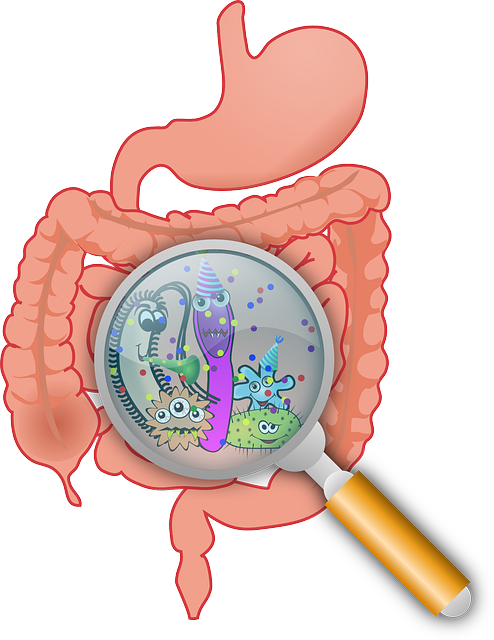
Does your Gut need a Makeover? Book Review of Hyde’s “The Gut Makeover”

The nutritional and medical world is abuzz about the  trendiest part of the digestive system, the gut microbiome. Studies show that the bacterial residents of your gut biome are correlated with weight, inflammation, various diseases, and even mental health. So why not give your gut a “makeover” for your health? At first I fell right for the hype couched in science, and was preparing myself for Jeannette Hyde’s four week plan, The Gut Makeover.

I found Hyde’s work in a peer-reviewed journal article as I was researching the gut biome; I was hoping to discover clinical findings that might translate into concrete dietary advice to improve my own and my clients’ gut biomes. And I thought I’d found it. Hyde’s article “Microbiome restoration diet improves digestion, cognition and physical and emotional wellbeing”, where I originally came across it for some reason didn’t include a giant retraction notice as does the link above.

Not knowing the firestorm of criticism surrounding the “study”, I eagerly purchased Hyde’s book, The Gut Makeover and was surprised to find that strict plan in her one-month diet went far beyond the protocol described in the journal article. I’d read diet advice such as chewing every bite twenty times, fasting for 12 hours, and avoiding snacks between meals in other places. Indeed these techniques seem to have some connection to the gut such as giving the digestive system a chance to work better by slowing down eating and do its “clean up” work between meals. The advice also correlated with weight loss in some studies. So I swallowed these points and my questions and kept reading.

It was when I begin preparing for the actual diet that real skepticism crept in. I thought I’d start in the new year, after the holidays because the diet is so strict I wouldn’t be able to have a glass of champagne at midnight on New Year’s Eve or a cup of coffee the next morning. As I was detoxing from caffeine withdrawal symptoms (I’ll write about caffeine in a future post), I started to wonder How is caffeine related to gut health at all? and Why am I torturing myself?

Hyde’s rationale for avoiding all caffeine (even decaf tea and decaf coffee!) rests on two assumptions. One, that caffeine affects the central nervous system, which she suggests interferes with digestion. Two that caffeine also causes a release of sugar into the blood stream, which she states without explanation of why this might be harmful to the gut. Try as I might, I couldn’t find any studies that suggested that caffeine disrupts digestion or harms the gut. In fact, I found a study published in the American Journal of Gastroenterology that showed that a higher intake of caffeine increased specific types of beneficial gut bacteria and decreased one harmful type.

Immediately I went back to my 16 ounces of coffee a day habit. I still thought I’d go through with the rest of Hyde’s diet, however, which seemed reasonable in its focus on consuming a wide variety of vegetables. I went back to find the original research again, and thought I’d stick closer to her research findings. I figured I might still benefit from parts of the diet while ignoring what advice in her book appeared to be simply Hyde’s “gut instincts” about what ought to be good for the gut.

That’s when I found the version of the paper with the giant red box of retraction. That’s a big step for an academic journal to take–to retract an article that it had published. The journal cited a host of problems in the study which rendered the results essentially no better than guesswork based on self-reported anecdotes. Some of these reports were from her own clients.

My gut was telling me that something was amiss when the book cited individual success stories of the outcomes of the four week plan and no scientific data other than basically “feeling better” and having (reportedly) lost an average of 7 pounds in four weeks. (The weight loss was not measured by experiments but rather by subjects.) Further, she didn’t even mention longer term outcomes. What happened after four weeks? The weight loss was not a surprising short term results for any restrictive diet. Feeling better after eating lots of vegetables and cutting out processed food is also underwhelming evidence that people’s guts actually changed.

In fact, this last problem is the point that many critics made: no evidence was given in the study that the gut microbiome had changed at all. It would have been interesting if the “researchers” tested samples of fecal bacteria before and after the four week “trial”. If there were more good bacteria and fewer harmful bacteria, that would’ve been some persuasive evidence that the diet protocol made a difference in the gut biome. Instead, there’s little scientific proof that her diet had any effect. All the participants knew how they were supposed to feel at the end, and half were sold on the dietary changes as clients of Ms. Hyde. Thus a strong possibility of placebo effect, in addition to no control group, no double or single blind study, and all self-reported changes.

Then I also found a Buzzfeed article describing the approximately $3000 Gut Makeover retreat Hyde was selling (and is still selling on her website), in addition to the book sales of the diet book and the follow up recipe book.

Bottom line: This book is a lot of hype with some common sense diet advice. There is little to no data backing up the plan as a whole or for its individual recommendations for restoring one’s gut biome, or indeed for improving gut health at all.

In future posts I’ll examine what we do know about diet and gut health from reputable (non-retracted) studies.

Eating Well is not That Complicated…

Sure there are a lot of studies out there professing this diet or that one is the best for health or weight loss. But here’s a little secret: it’s not nearly as complicated as all that.

If I were to condense all the decent advice from nutritional studies of the past 50 years, here would be the take home:

  1. Eat whole foods, not ultra processed foods.
  2. Limit intake of all sugars and refined carbohydrates, particularly white flour.
  3. Eat smaller portions and avoid snacking
  4. Slow down, sit down, enjoy your food more and obsess less about your diet and weight.

Yup, that about sums it up for most people.

Wait, you knew all that? Well, why aren’t you doing it? No it’s not just you, of course. Why aren’t most of us eating this way when we truly know better?

Here are some reasons we eat the SAD diet (Standard American Diet, I kid you not). I notice these factors in the lives and minds of my clients, friends, and I must admit, some of them in myself:

  1. Ultra-processed foods are super convenient. They’re shelf stable and ready to eat on the run. And we’re always on the run.
  2. We fool ourselves with ultra-processed foods’ health claims. Their packages are emblazoned with vitamins, minerals, fiber, and probiotics missing from your diet. (Why are these elements missing? Because they are taken out of ultra-processed foods for palatability and shelf life. And also because you are not eating the whole foods which naturally contain them.) The packages proclaim they are low carb, Paleo, vegan, gluten free and organic, which our brains have been trained to read as “healthy food!”
  3. We live in an environment of food overabundance. We are constantly bombarded with food and the idea that we should snack our way through work and stress and our whole day. Our bodies and brains, meanwhile evolved in a time of feast and famine. Mostly famine. So our bodies and brains tell us to seek what will make us survive the lean times: safe to eat and high calorie sweet foods to pack on the pounds. And our bodies want to hang onto those pounds–and make metabolic changes to do so–because they still “believe” famine is just around the corner. Especially if you’ve dieted.
  4. We’ve forgotten that food can be enjoyable and see it as either fuel or the enemy. Or both. So we scarf down foods we know are not possibly good for us, feeling badly about it, and hoping, just hoping we’ll have some more time at some later point in our lives to eat better.

When will the time come, that day we promise ourselves we’ll start to make positive changes our diets? When you are less busy, you say? Perhaps when you fully retire? Or soon–after the stress and planned overeating at the holidays? Maybe as soon as next week? Perhaps the diet starts tomorrow? After this meeting and this jelly donut.

Why not start today? Why not prepare a simple meal from simple ingredients and don’t forget your veggies.  Can you have a piece of fruit instead of dessert? If you tried, could you wait for a mealtime to eat instead of snacking? If you made an effort, could you eat together–friends or family–and take it at a slower pace? Too busy? What are you are you rushing towards? Your early grave?

If we don’t make time to eat well (in addition to drinking water, sleeping adequately and exercising regularly), we’ll be forced to make time for illnesses–metabolic as well as a host of other preventable conditions. We’ll be less efficient in everything we do because of other daily effects of our SAD eating habits and lifestyle: depressed immune system, poor decision-making, slow and irrational thinking, anxiety, and depression.

So, yes, the advice is simple. We know that lasting change, however, is not so simple. Many people (most?) need help to successfully make positive, sustainable eating and lifestyle changes. I’m here to help!

I’m taking new clients by appointment via email!


Healthy Food Challenge

If I gave you $30, sent you to any place that sells food, and challenged you to buy only healthy food, what would bring me?

Quick Quiz
  1. Which of the following is likely a healthy food—pick all that you’d buy for my challenge:
    1. A packaged food that came from a health food store
    2. A food that says “low fat” on the package
    3. A food that says “low carb” on the package
    4. A food that says “low calorie” on the package
    5. A food that says “whole grain” on the package
    6. A food that says “vegetarian” on the package
    7. A food that has few ingredients on the label
    8. A green leafy vegetable from the produce section
    9. A cruciferous vegetable from a Farmer’s Market

My answers are at the bottom, but I’m guessing(hoping) after you read the following, you’ll have figured out which items I’d accept as healthy.

What’s Healthy Food?

Before I can assess your shopping bag of supposedly healthy food, I’ll have to define what I mean by healthy food. I’m looking for a food that provides the nutrients our bodies need to thrive and doesn’t contain substances that cause ill health. Reasonable, I think. So what kinds of foods would that include?

Whole foods, and for maximum health benefits, primarily from plants, and mostly vegetables, nuts and seeds, as well as certain protein sources. Which protein sources?you might demand of me. (But hey, let’s not get huffy, here.) Where you ought to get your protein is a great question. And one for a whole other blog entry. (Sorry to put you off. But I promise, I’ll get to that thorny issue…eventually).

What’s a Whole Food?

If a healthy food is a whole food, what’s a whole food? I define whole food as a food that comes in the package nature created. For example, edamame in its pod (whole soybeans) and not edamame-shaped puffed things that come in a package. (For giggles, check out the ingredients in a product like that one.)

You’re a busy person. Who has time for steaming edamame? You might want to make time for whole foods now, so you have more and healthier yearsto enjoy them. Older you will thank current you. In the nearer future, on a diet rich in whole foods, you’ll likely find yourself getting more done during the day and visiting the doctor less often. That’s because the health differences between whole foods versus packaged foods are striking.

What’s in Whole Foods That’s Good for You?

In a nutshell, haha, literally and figuratively,

  • Various nutrients to fuel your body,
  • Fiber (soluble and insoluble) to aid in digestion, help your gut biome, and make you feel fuller,
  • Essential vitamins and minerals,
  • As well as micronutrients that not only help the body stay well but can also stave off or help control devastating diseases.

But My Honey Nut Cheerios Say “First Ingredient Whole Grain Oats”

The fine print is a hint that “first ingredient whole grain” is not the same as a whole grain. In any case, if they were genuinely whole grain oats, your cereal bowl would rattle with the hard oat kernels (groats) rather than the soft sound of processed O’s. Sure, oats were in the picture in the pre-history of a Cheerio but think of all the transformation that had to occur to make them into sweet floating O’s. First they are pulverized into flour, then they are cooked together with: “Sugar, Oat Bran, Corn Starch, Honey, Brown Sugar Syrup, Salt, Tripotassium Phosphate, Rice Bran Oil and/or Canola Oil, Natural Almond Flavor.” Vitamin E is also added as a preservative. (Ingredients in order after “Whole Grain Oats” from the box).

The 9 grams of sugar alone (more than two teaspoons per serving) is problematic, and cereal is only an obvious culprit. Most of our packaged food is laden with sugar. Look at the ingredients in your salad dressing, for instance. Or spaghetti sauce. Or salsa. Sugar makes food tastier and makes us eat more of it, especially when combined with fat. A win for food companies but not for your health or waistline.

This added sugar may be a significant cause in our current obesity epidemic since the sugar added either as high fructose corn syrup or table sugar or most any kind of sugar, contains fructose. What’s so bad about the sugar created in fruit? In your body, fructose cannot be used for energy (unlike glucose) and therefore is turned directly into fat. (You can read more about fructose and obesity in Robert Lustig’s excellent book Fat Chance).

In fruit, the fiber mitigates the effect of fructose, at least to some extent. The USDA includes a large proportion of fruit in their dietary recommendations and fruit is, indeed, a whole food with many nutritious properties and micronutrients. But before you over-indulge in fruit, however, consider that our ancestors didn’t eat fruit year-round but only in season and they gained fatto keep them alive through months of famine. So yes, eaten in its whole (not juice!) form, fruit is healthy in moderation. Fructose by itself in packaged food, however, is a whole different story.

 Wait, Isn’t Fruit Juice Part of a Nutritious Breakfast?

You’d think so from all the commercials for cereal as well as those for orange juice. Yet fruit juice contains more sugar, ounce for ounce than a can of Coke. It’s fructose without any fiber along with a heaping dose of glucose. So unless you want to gain fat and spike your blood sugar, fruit juice is not a part of a real life healthy breakfast, while whole fruit is.

Okay, Other Than Sugar, What’s the Big Deal About Packaged Foods?

Packaged foods have other problems, too. Once the nutrients, vitamins, minerals, fiber and micronutrients are removed from food (through processing) they are no longer (shown to be) effective in our bodies. Our bodies like their nutrients in the package nature provided. According to Robert Lustig, one problem with trying to get our vitamins outside of whole foods is that, in the absence of a severe vitamin deficiency, there’s no good evidence that vitamin supplements have any positive effect on health.

Lustig also notes that processing removes any insoluble fiber found in a food in nature. And fiber counts. It may in fact help people avoid or treat metabolic syndrome, a dangerous cluster of diseases.

Then there are the additives such as too much salt which can cause hypertension.  Preservatives are added for shelf stabilizing. Real foodgoes bad.  A Twinkie is forever. Chemicals enhance color, taste, and texture. The food industry conducts studies to make sure their food is as tasty and addictive as possible (so that no one can eat just one!) Some of these chemicals are harmless, some have unknown long term effects, especially in large quantities.

Eat Fresh, Unprocessed Food. Thank Me Later

The fresher and less processed the better. Nutrients and fiber are lost in processing and various nutrients in vegetables are lost in long trips across the country to get to your grocery store. If you have access to a farmer’s market, you can get food that was picked ripe earlier the same day. A big win for health.

Who Has the Time to Go to a Farmer’s Market and Prepare Fresh Meals?

Whole foods might take longer to prepare, but they don’t have to. Use simply prepared foods that just taste good, like nuts and fresh veggies. Eat salads with no-sugar dressing (make your own or get it from someone who does.) You can get some of your meals freshly prepared for you from farmer’s market vendors, some health food stores, some restaurants (inquire about how they source their food), and if you’re lucky (as we have around here) you might even have a local farm that delivers fresh picked and prepared salads.


Answers to Quick Quiz

The healthiest option is (I), or indeed, any Farmer’s Market produce that is farmed using “natural” methods. If you can’t get fresher food, fresh or frozen produce from your supermarket (H) are decent alternatives. Produce loses nutrients in the long haul across the country and sitting on store shelves (not to mention it is often picked unripe). You lose fiber and nutrients in the freezing process, but the produce are frozen right after picking. They’re both tradeoffs.

In a pinch, minimally processed, few ingredient packaged food (G) has (some) nutritional value and if it has no sugar or unnatural ingredients it probably won’t have any deleterious effects on your health.

 All the other answers are highly suspect. Just because you bought it at a health food store doesn’t make it healthy. There’s plenty of sugar in much packaged “health food.” Low fat and low calorie are generally bad news because what replaces the fat and calories is often bad for you. Vegetarian and low carb packaged options have the same potential problems. They’re processed food. And we already talked about Cheerios, so you know “whole grain” is often not a whole grain at all. Unless it’s a bag of plain whole grains. Which would be healthy for you if grains are a part of your healthy diet. And that’s a whole other conversation.


Are You Ready for Change?

A prospective client said to me, “I know I need to change my diet. I just keep wondering if this is the week I’m going to do it.”

We’ve all been there. We know we ought to make a change, but we’re not quite committed and we don’t have a plan. This feeling describes the contemplation stage, according to one useful way of looking at behavior change.

The “transtheoretical model” (TTM) developed initially by psychologist James Prochaska, labels five stages of readiness for behavior change: pre-contemplation, contemplation, preparation, action, and maintenance.

Where are you in your readiness to change? What does that mean for your goals, health, and well-being? Consider the case of eating more healthfully.

Pre-contemplation

Your doctor might tell you that you should change your diet. If you’re lucky, you might get the good general advice to cut your sugar and processed food; and eat more vegetables, nuts and seeds, healthy fats, and fermented foods.

In this stage, however, you are unconvinced. Maybe you’ve tried before to change your diet and time and again you returned to your old eating habits. Perhaps you are satisfied with your weight and believe that therefore your diet isn’t that important to your health. Or, contrary to your clinician’s hopes of spurring you to action, his or her dire warnings make you think your doctor is  overreacting to some lab results. The possibility that you are at risk of developing potentially devastating metabolic syndrome, or other diet-related diseases, seems remote.

At this stage, you may need more information. What are the risks of continuing to eat the foods you are currently consuming? What are the rewards of eating differently? If you were my health coaching client, I’d help you answer these questions.

Contemplation

Like my prospective client, in this stage you acknowledge that you ought to change your diet, but are unsure how and if you will begin. In his case, he knows that because of his medical condition, his diet is making him feel unwell and might lead to complications down the road. But where to start? He made the first move on his road to better health by making an appointment with me for a free initial consultation.

At this stage, I help clients weigh the pros and cons of changing their diets (for instance) and help them see that there is hope as well as a accessible path to change.

Preparation

You move from thinking about your diet, to planning to purchase new healthier foods and get rid of foods that you realize you should be avoiding. You might start looking for recipes and more specific information about what to eat and what to stay away from.

In this stage you are laying the groundwork for future success. I often help clients at this point by celebrating their decision to make a change and supporting them in following through with their plans. We come up with strategies for success and troubleshoot challenges they have encountered in the past or they likely to meet in the future. I can even help with a “pantry cleanout” to provide a foundation for new eating habits. Recipes and lists of foods, books, websites with more detailed information that I provide are now helpful. Together we create a roadmap, often in the form of a flexible meal plan, that clients are eager to try.

Action(!)

You take your first steps on your new eating program. You may not be consistent yet, and you may fall for those donuts your colleague brought into work, but you’ve made a start.

This is a critical place for me, as a health coach, to support my clients and celebrate their small successes. We are not looking for perfection but progress. As long as we keep moving towards the goal of healthier eating habits, we are on track. I’m there to work through struggles, find new healthier habits, and hold my clients accountable to their own goals.

Maintenance

At this stage you’ve successfully made the changes in your diet and have reached a sense of stability. You’ve also noticed new positives of eating better: the increased energy and clearer thinking. The key is to keep up the good work!

Some people are finished with a health coaching program at this point and are ready to use the tools I’ve taught them to continue on their own. Others enjoy support and accountability through at least some part of this phase until they feel confident they can stick with their new healthier lifestyle and enjoy the benefits long term.

Where are you on the stages of behavior change?

Challenge: Identify one health or well-being behavior you feel you ought to change or know you desire to change. Use my example above to determine how ready you are to make the change: what stage you are in. Consider what you might need to progress to the next stage of readiness and move towards reaching your goal. I challenge you to take a step!

Wow Your Guests with Healthy Food

You try to eat well most of the time, right? But when it comes time to entertain, does healthy food languish in your refrigerator while you present your guests high calorie, high sugar, high salt, low nutrient delicacies? Hint: if it contains marshmallows, it’s probably not healthy.

What’s one night of tasty if unhealthy favorites? you might reasonably ask.

Well, for one, there’s leftovers, which make your party more than one night of eating debauchery. Then there are the reciprocal invitations which mean more indulgence. The more times you get off track of your healthy diet, the harder it is to get back on it. Further, consuming “highly palatable foods” (tasty ones and those filled with sugar, fat, and salt) cause us to overeat.

Then there’s this: If you think about it, you’ve probably noticed eating healthy whole foods makes you feel physically and psychologically good. And unhealthy food leaves one feeling bloated and regretful. Which gift would you like to send home with your guests?

Okay, now you’re on board with serving healthy food, yes? But what constitutes healthy food is not so obvious. That’s because:

  1. Individual dietary needs vary. Whole grains, for instance, may be healthy for some while for those who cannot consume gluten, not so much.
  2. Nutrition experts seem to argue against one another a lot, especially when espousing a particular diet like Keto, Paleo, Vegan, or a brand name diet replete with meals you have to buy.
  3. The media mucks up the picture by touting the latest study without context (such as who funded the study, what population was used, how much variation showed up in the results, if the study only used a small number of people or large, were the results short or long-term, were reports based on correlation rather than experimental variables, and other differences) that account for competing news. Quick quiz: eggs–healthy or unhealthy? Margarine–health food or villain?
  4. Even health guidelines from the USDA (MyPlate.gov) hardly represent the best nutrition science. One problem is the guidelines are vague and misleading. Are all fruits, vegetables, grains and proteins equivalent, as suggested by the plate diagram? No, no, no, and no. Some of the contents of the plate is influenced by agri-business who create a glut of dairy and grain, resulting in advice that dairy is for everyone, as are grains. Um, no, not for all the people who are sensitive to gluten or dairy. Some of the advice is just plain outdated, by some 100 years, in some cases, but for some reason still repeated. For instance  if you look up the government’s latest nutrition advice, we are still told to, “choose low fat or fat free dairy products” when the low fat diet has been thoroughly discredited and further, whole fat dairy products in particular seem to be healthier choices than their low fat counterparts. Oh, don’t get me started!

On the other hand, there are certain guidelines you can count on. Eat foods that are:

  1. Whole foods (not processed and generally doesn’t come in a package)
  2. Plant foods. Which is not to say non-plant foods are unhealthy for everyone, but plant foods are healthy for most people and should make up a large portion of your diet. Especially non-starchy veggies, low sugar fruits, nuts, and seeds. Include more of these in your entertaining as well as in your regular diet.
  3. Low sugar/no added sugar. That means any kind of sugar, even from fruit juice. Orange juice, for instance, is probably worse for you than soda, ounce for ounce. An orange, with its fiber, is not as problematic. Unless you’re on a low carb diet.
  4. Nutrient dense. Many kinds vegetables, nuts, and seeds prepared so as to keep their nutritional value are rich in so many micronutrients that we don’t even know what they all are. And when these nutrients and vitamins and minerals come to us in their natural food packages, they are far more effective than vitamins or enriched processed foods. Sorry vitamin poppers!
  5. Include healthy fats. Omega 3’s anyone? (Fish and flax). I’ll write more about fats in the future.
  6. Be mindful of protein sources.Protein’s a hornet’s nest, I know, and I’ll go into more detail elsewhere. I will suffice it to say, we need protein in our diets, though not as much as people generally think. Unless you are a body builder. There are many sources of vegetable proteins and if you’re a vegetarian I hope that’s familiar territory. But if you eat meat, poultry, or fish, consider that grass-fed has healthier fat than corn or grain fed.

So how do you make healthy food appealing to your guests? It’s not that difficult, people!

  1. Start with the freshest, most vibrant ingredients: go to your local farmer’s market and find food that is picked ripe that morning. It will be full of nutrients, flavor and color. You’ll find intriguing shaped, colored, and flavored heirloom varieties and colors not seen in supermarkets.
  2. Appeal to the five senses. We eat first with our eyes and our noses. Use color, shape, arrangement, plating, garnishes, and texture, or even your choice of plate make your dish call out to guests. Use fresh herbs and pungent spices to draw your friends in. Of course pay attention to taste and texture as well. Find a good recipe and be mindful of balance and harmony.

Some plating ideas/concepts:

  1. Choose a vessel that will show off your creation. A fancy bowl, a tall martini glass…use your imagination! Decide if you will do individual plates (probably for a more intimate gathering) or something along the lines of a decorative platter.
  2. Use white space. We’re creating art here, people. Also: people tend to eat the amount of food they’re served, so make portions reasonably sized, use smaller plates, provide smaller utensils.
  3. Play with arrangements. For instance, use cucumber slices to make a border. I stole this trick from my grandfather. Alternate colors and shapes. Make shapes out of piles.
  4. Enter the world of garnishes. You don’t have to learn the art of carving a carrot into a dragonfly to create pretty dishes. Microgreens are healthy and can add color and dimension. Sliced fruits or veggies can work. You want to slice something really pretty? Check out a watermelon radish. Even showier: edible flowers! I can’t wait until they’re in season again at my local farmer’s market.
  5. Go 3D. You might not be a Chopped contestant, but you can use vertical space. A bed of leaves, a pile of the main deal, a garnish on top. Voila!
  6. Contrast colors and textures. If your dish is all green, think of what might add color. If it’s smooth, maybe you want to add an element of crunch.

Answers to quick quiz: 1. Eggs are healthy for most people. They are a good source of protein, have no sugars (or carbs), and people who ate (whole) eggs frequently had better cardiovascular health than those who did not. Yes they have fat, but fats unless in excess, are burned for fuel in your body. Fructose, a sugar, on the other hand, can not be burned for energy (unlike glucose) and is instantly stored in your body as fat. Fructose is fruit sugar but is also found in table sugar (sucrose) along with glucose. 2. Margarine, as originally developed, was all transfat, the very worst kind of fat for you, and one that actually contributes to cardiovascular disease. Butter is far far far better for you. (Olive oil even better, but anyway.) Most margarines have been reformulated since I was fed a steady diet of the partially hydrogenated villain that was the margarine in the 80s and 90s. (I hate to throw my well-meaning parents under the bus here; I know my mom and dad were doing their best. We were told dairy fat = bad; industrially produced fat that started off life as a plant = good. Oh well.)

Check out my recipe on my food blog for pesto zoodles, delicious and happens to be a superfood!

Lecture & Demo: Wow Your Guests With Healthfully Decadent Entertaining

Thursday, March 21 at noon: I will be doing a food prep demo and talk at the Saratoga Springs Public Library, on healthy, decadent entertaining.

Description: A fabulous party can be healthy too! Join Health Coach Rachel Kurtz for a cooking and plating demonstration of healthy, delicious and beautiful fare. No registration required.
  •  In this presentation learn how to:
  • Prepare healthy, crowd pleasing dishes
  • Mindfully serve a large party or a few close friends
  • Choose fresh, local ingredients and learn techniques to work with them
  • Create a feast for all senses to savor
  • Make simple, fresh ingredients sing
  • Artfully work with food flavor, color, texture, and shape to delight your guests
  • Present dishes that are impressive yet simple to prepare, leaving you precious time to enjoy the company of your guests

Location: H. Dutcher Community Room, Saratoga Springs Public Library

An Individualized Diet?

If you are confused about nutrition, you are in good company. Should you go low fat or low carb? Vegetarian or Paleo? Eat whole grains or eliminate grains entirely? Drink coffee or skip it? Contradictory information in the news is only one problem. Even nutritionists and scientists disagree because they are looking at different data. Even more perplexing, the way we each respond to food is quite individual.  Some individual factors include:

  • Genetics influences both metabolism and which foods suit a person’s system best (and worst)
  • Age and gender. It’s no secret that our bodies’ needs change as we age. And is it any surprise that men process and store nutrients differently than women?
  • Level of activity. Exercise alone won’t fix your diet, but it does change your caloric and nutritional needs. Regular exercise also changes how the body deals with extra calories–the kind of fat and location of fat stores, both of which impact health.
  • Culture and environment, including pre-natal. Foods you grew up eating and even those your mom ate while you were in utero will affect how various foods affect you.
  • Gut Biome. It’s all the rage to talk about the gut biome, and pro- and pre-biotics. Scientists have discovered that varying bacteria living in your gut affect your health and digestion. If we knew the makeup of our individual biomes, we might know better we should and should not eat.
  • Illnesses. Not only does poor eating cause illness, but illnesses can mess with your metabolism, digestion, and absorption of nutrients–sometimes permanently.
  • Health Goals. You might not guess it from the proliferation of diet books, pills, programs, and advertising, but not everyone is trying to lose weight, and those who are have different reasons for doing so.

Check out this New York Times Opinion piece on why we should have a National Institute of Nutrition. They hit on many of the points I often make about nutrition, including personalizing diet.

Superhero You and Gratitude

Imagine this scenario: At a local flea market you find something that looks just like a magic lamp. Intrigued, you purchase it and idly rub it. Poof!  A genie floats before you. The genie is not here to grant you three wishes, however. Its magic is reserved for turning you into a superhero. Your choice is what color cape, and this is an important decision. The red cape will help you conquer the ills of the world such as poverty, war, disease, and suffering. The green cape, on the other hand, will help you make the world a better place by creating good outcomes such abundance, health, peace, and well-being. Which do you choose? And why?

This thought experiment comes from the director of the Positive Psychology Center at UPenn, James Pawelski. He challenges us to consider whether it is better to fix problems or bring positives, and then relates this question to psychology.

He describes positive psychology as the green cape approach to mental health, whereas traditional psychology seeks to fix what is wrong, as in the red cape approach to saving the world. The problem with the red cape is that the absence of depression and anxiety, for instance, brings you up to a happiness level of neutral. It takes a green cape to move beyond zero to joy and serenity. Pawelski says there is place for both approaches, and ideally we’d have a reversible cape. Yet there is good reason to spend more time focusing on the green cape. That’s because our innate negativity bias makes us more often see problems rather than the positives. Shifting our focus can lead us to live more fulfilling lives and experience a greater sense of well-being.

As I study Applied Positive Psychology with Dr. Pawelski (on Coursera), I often think about how positive psychology and its scientifically proven “interventions” apply to increasing well-being, and to my health coaching in particular. Many people already have a sense of what they should and should not be eating and what habits they’d like to change, end or begin. They struggle with the follow through. That’s where I come in, of course, as a knowledgeable sounding board and most importantly a support system for making positive changes and sticking to them.

In my next series of posts I will include some positive psychology techniques for improving your well-being. Today’s “intervention” is a 7-day challenge that has been shown to have powerful effects on people’s overall well-being, even long after the seven days are over. You may be familiar with various gratitude exercises such as keeping a gratitude journal, and this exercise is similar, but with a couple important distinctions.

Your Seven Day Challenge:

At the end of each day, for seven days, directly before bed:

  1. Write down three good things that happened during the day. You need only write a single sentence for each, but be specific. And you need to come up with three, no matter how difficult your day was.
  2. For each good thing, write down why it happened.

Important Notes:

  • The time of day is important. Before bed is a time when many people scroll through our days in our minds and come up with all the things that didn’t go well or we wish we had or had not done–making it hard to get to sleep or stay asleep for some. Thus one outcome of the exercise is better sleep. Another outcome is that it starts to make you spend the day looking for good things, because you know you will need to write them down. That can change the whole tenor of your day.
  • Write three good things. Writing makes a bigger impression on our brains than just thinking. You can improve upon the exercise by then sharing your good things with a loved one. This is optional.
  • Don’t give up. Keep pondering until you come up with three things. They needn’t be big at all: something your son or daughter said, a nice sunset on your ride home, good news, a relaxing talk with a friend, a particularly good dinner. Do it for seven days in a row. If you don’t like doing it, after seven days, you can quit.
  • Why? Lots of people get tripped up over this part of the exercise, but I think it is important and it’s not a huge explanation. You need write only a sentence or phrase. Did the good thing happen because you got over a fear and made a phone call? Did it happen because your significant other showed caring and support by doing the dishes? Did it happen because the universe sometimes moves in mysteriously positive ways? My interpretation of the effectiveness of the why, is that it does two things for you: 1) It makes you think more deeply about the “good thing” and 2) It makes you see how your actions or actions of others or even luck often turn in your favor.

So…why not try the three good things challenge for seven days and comment on how it went for you!